Local vs Imported Materials in Kenya: What We Recommend and Why
One of the most common questions we receive from Kenyan homeowners and developers whether they are finishing a new build in Syokimau, renovating an apartment in Westlands, or fitting out a rental block in Ruiru , is how to approach local vs imported materials in Kenya. It sounds like a simple question. In practice, it is one of the most nuanced decisions in any home design or interior finishing project in Kenya.
The honest answer is: it depends on the material category. In some areas, locally produced materials match or exceed imports in quality and deliver dramatically better value for money. In others, imported products offer a genuine performance or aesthetic advantage that justifies the premium. This guide breaks down the real differences , category by category , so that you can make an informed decision on every line item of your finishing project in 2026.
Why Local vs Imported Materials in Kenya Matters More in 2026
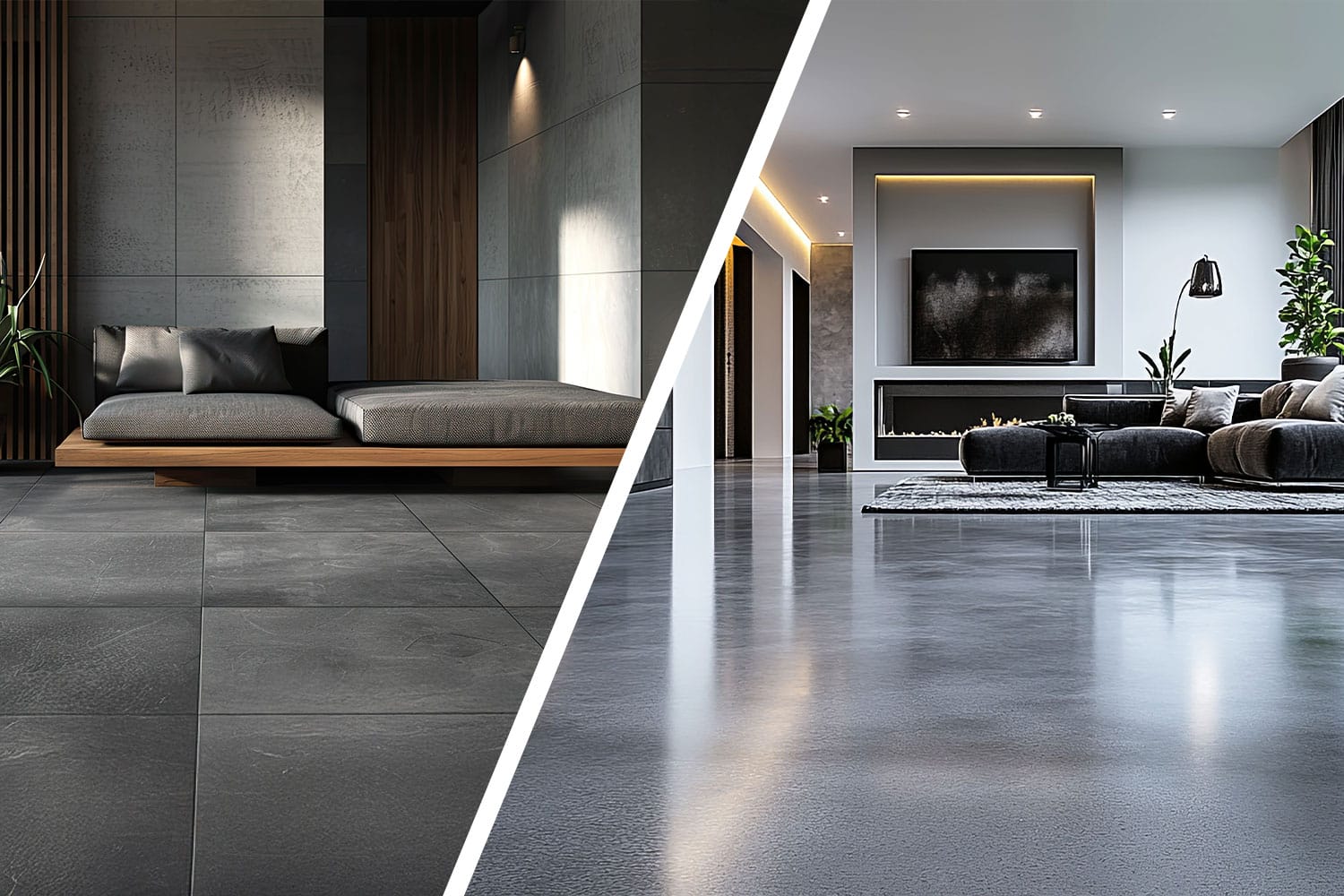
The materials decision has become more financially consequential in Kenya in 2026 than at any point in the previous decade. Exchange rate pressures, higher import duties on finished goods, and increased shipping costs have widened the price gap between locally produced and imported interior finishing materials. At the same time, the quality and range of locally manufactured and locally distributed products have improved substantially meaning that the value proposition of local materials is stronger than ever.
On the other side, Kenyan consumers now have access to a broader range of imported materials than before ranging from Chinese porcelain to Spanish ceramic to Italian stone through a growing network of specialist importers in Nairobi and Mombasa. The temptation to simply import everything based on aspirational brochure photography is real. But the total landed cost, including import duty, port charges, clearing fees, inland transport, and breakage risk, frequently makes imported materials far more expensive than their list price suggests.
Strofix Tip: Never compare local and imported material prices at face value. Always calculate the total landed cost of imported materials including duty, clearing, delivery, and waste allowance before deciding. In many cases, a high quality local product that appears more expensive per unit is actually more cost effective once all import costs are accounted for.
Floor and Wall Tiles: Where Local Products Hold Their Own
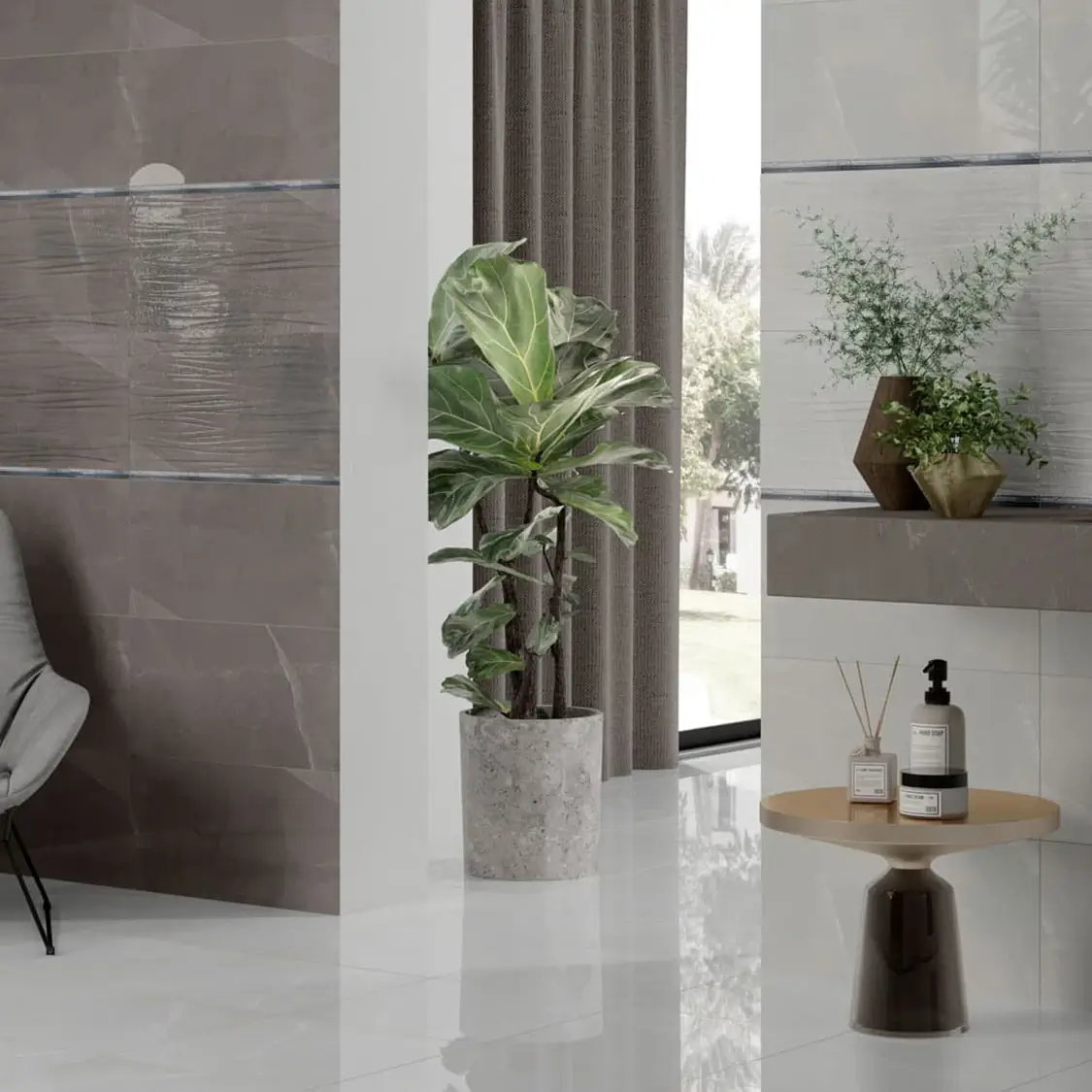
Tiles are perhaps the most contested category in the local vs imported materials Kenya debate among homeowners. Kenya’s domestic tile industry led by Twyford and supplemented by a range of smaller local manufacturers has expanded its range significantly in recent years and now produces ceramic and porcelain tiles that meet the practical requirements of most residential and commercial applications.
Where Local Tiles Excel
For standard floor tiles in bedrooms, kitchens, bathrooms, and corridors, local Kenyan tiles are a highly competitive choice. They are available at short lead times, carry no import risk, and are priced in Kenya shillings. Twyford in particular produces glazed ceramic tiles in a wide range of formats and finishes that perform reliably in Kenya’s climate conditions and are fully supported by local after-sales.
Where Imported Tiles Add Value
The area where imported tiles genuinely earn their premium is large format porcelain , specifically rectified slabs in 600×1200mm, 800×800mm, and 1200×2400mm formats. These very large format tiles, which create the seamless, high end floor effect increasingly popular in modern Kenyan living rooms and master bedrooms, are not yet produced locally at sufficient quality or volume. Spanish, Italian, and high quality Chinese porcelain in large formats remain the genuine choice when this specific aesthetic is a design priority.
Similarly, specialist tiles like textured stone-look porcelain with calibrated thickness for outdoor use, slip-rated commercial bathroom tiles, and anti static raised floor tiles for server rooms are categories where imported products offer specifications that local manufacturers have not yet matched.
SPC and Vinyl Flooring: The Imported Market That Delivers Strong Value
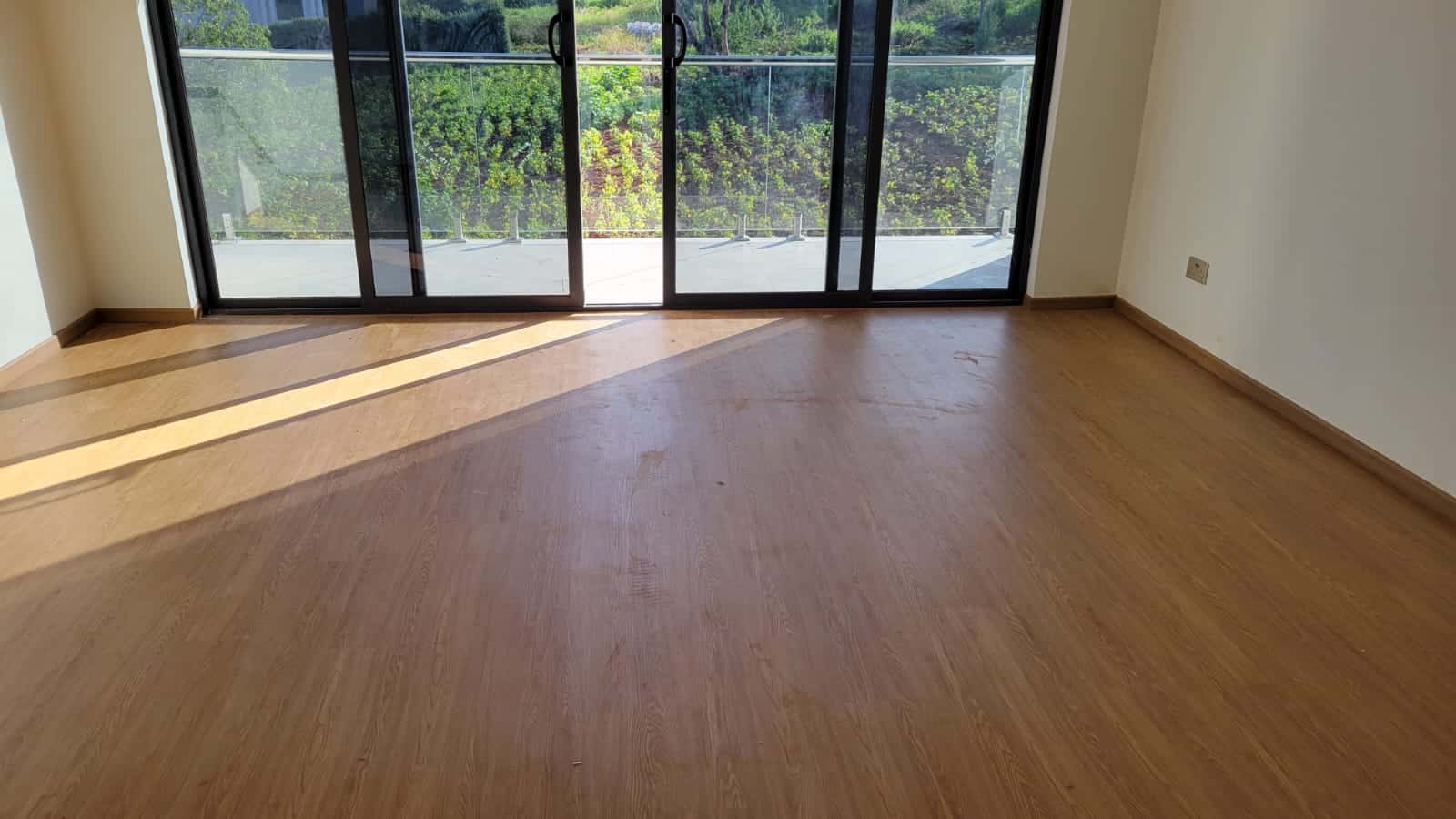
SPC (Stone Plastic Composite) flooring is not produced in Kenya. Every SPC plank in the Kenyan market is imported predominantly from China, with some European brands available at the premium tier. When evaluating local vs imported materials in Kenya for flooring, the question is not a binary choice but rather a matter of selecting the right imported product at the right price point.
The important distinction in the SPC market is not between local and imported but between well specified and poorly specified imports. Low cost SPC from unvetted suppliers, often sold through informal channels in Nairobi’s building material markets , frequently presents problems with dimensional stability, surface durability, and inconsistency between batches. Mid-range SPC from established importers with proper specifications like wear layer thickness of 0.5mm or above, proper click-lock tolerances, and realistic wood or stone embossing delivers exceptional performance and genuine value.
For a full breakdown of SPC flooring types and specifications available in Kenya, visit our guide on Types of SPC Flooring Designs in Kenya.
Gypsum Ceiling Materials: Local is the Clear Winner
Gypsum board and ceiling materials are one category where the local vs imported materials Kenya verdict is unambiguous: local is the right choice for the vast majority of projects. Gyproc, the dominant supplier in the Kenyan market, produces gypsum board to international specifications and supplies the full range of products required for flat ceilings, bulkhead designs, coffered ceilings, and LED cove installations. Local gypsum board is priced competitively, available with short lead times, and supported by a well established network of trained installers.
Imported gypsum board which occasionally enters the Kenyan market in project quantities offers no meaningful quality advantage over locally produced board for residential applications and carries all the additional costs and risks of an imported product: longer lead times, freight damage risk, duty, and post-landing storage challenges. There is no rational case for specifying imported gypsum board in a standard Kenyan residential or commercial project.
The one area where imported ceiling components do add value is in specialist aluminium suspension systems and decorative ceiling accessories , particularly for suspended tile grid ceilings in commercial applications and for high end decorative mouldings in luxury residential projects. These remain predominantly sourced from imports.
Kitchen Cabinets and Joinery: A Nuanced Category
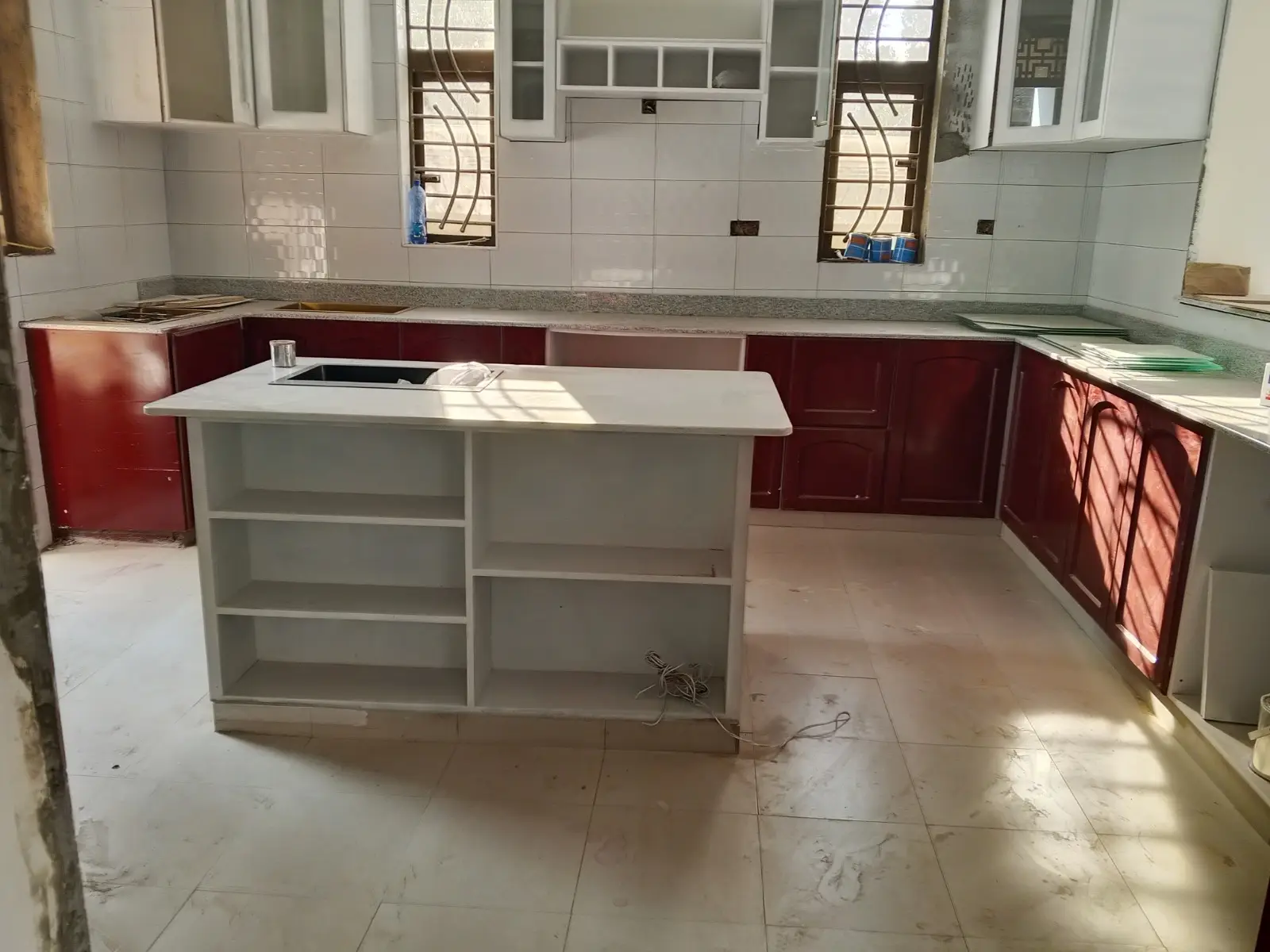
Kitchen cabinets and bedroom wardrobes sit in a genuinely nuanced position in the local vs imported materials Kenya conversation. Kenya has a well developed custom cabinet fabrication industry with skilled joiners working with locally available MDF, chipboard, lacquer finishes, and edge banding can produce cabinets that, at a comparable investment level, match or exceed imported flat-pack alternatives in quality of fit, finish, and adaptability to non-standard room dimensions.
The Case for Local Custom Fabrication
Local custom cabinet fabrication offers a critical advantage that no imported product can match: it is made to measure for the specific space it occupies. Kenyan homes , particularly older apartments in Nairobi’s established suburbs , rarely have perfectly square rooms or standardised dimensions. Custom fabricated local cabinets can be built to accommodate beam intrusions, unusual ceiling heights, sloping walls, and site specific constraints that would leave imported modular units with unsightly gaps and filler panels.
Quality local MDF with a UV-cured lacquer or laminate finish , produced by experienced Nairobi cabinet makers , is visually and functionally comparable to mid range imported cabinets and is priced significantly more competitively once import costs are factored in.
Where Imported Hardware Makes the Difference
The area where imports genuinely outperform local alternatives within the joinery category is hardware: hinges, drawer runners, soft-close mechanisms, and lift systems. Imported hardware from established European brands like Blum, Häfele, Grass offers a quality of smoothness, durability, and engineering that local hardware alternatives cannot consistently replicate. The recommendation here is straightforward: fabricate locally, fit imported hardware. This combination delivers cabinet quality that punches significantly above its cost.
Paint and Wall Finishes: Local Products at the Top of the Market
Paint is one of the most decisive categories in favour of local products. Crown Paints, produced in Kenya and one of the country’s largest manufacturers, produces a comprehensive range of interior and exterior emulsions, washable matt finishes, and specialist coatings that match or exceed comparable imported products in quality , and are priced, supported, and tinted locally. Crown’s Crown Royal and Permasheen ranges are used across high end residential and commercial projects in Nairobi and perform reliably in Kenya’s humidity and temperature conditions.
Imported European and American paint brands are available in Kenya but carry a significant premium for no demonstrable performance advantage in standard interior applications. Specialist textured plasters like Venetian plaster, microcement, and limewash, are an exception where imported products from established European manufacturers offer formulations and colour ranges not yet replicated by local suppliers.
Local vs Imported Materials in Kenya: Side-by-Side Comparison
| Material Category | Our Recommendation | Best Local Options | When to Choose Imported | Cost Premium for Imported |
|---|---|---|---|---|
| Standard floor & wall tiles | Local | Twyford, Ceramic Hub | Not necessary for standard formats | 30 – 80% more once landed |
| Large-format porcelain (600×1200mm+) | Imported | Not available locally at quality | Always — this is an import category | Baseline — no local alternative |
| SPC flooring | Mid-range import | Not manufactured in Kenya | Always — specify wear layer ≥0.5mm | Varies by tier |
| Gypsum board & ceiling systems | Local | Gyproc (locally produced) | No advantage from importing | 50 – 100% more for no gain |
| Kitchen cabinets (carcass) | Local custom | Nairobi joiners (MDF/chipboard) | High-end modular for luxury projects | 40 – 120% more for flat-pack |
| Cabinet hardware (hinges, runners) | Imported | Local alternatives are inconsistent | Always — Blum, Häfele are standard | Worth every shilling |
| Interior paint (emulsion) | Local | Crown Paints Kenya | Specialist textures only | 60 – 150% more for no gain |
| Sanitary ware (toilets, basins) | Mixed | Twyford (Kenya-distributed) | Designer fixtures for luxury bathrooms | 50 – 300% more for premium brands |
| LED lighting fittings | Imported mid-range | Limited local manufacturing | Always — specify lumen output & CRI | Available at all price points |
| Door frames and ironmongery | Mixed | Local steel fabricators | Quality lever handles and locks | Import quality handles well worth it |
Sanitary Ware: A Middle-Ground Category
Sanitary ware like toilets, basins, shower trays, and bathroom accessories occupies a middle position in the local vs imported materials Kenya decision. Twyford and Roca, both distributed through established Kenyan channels with strong after sales support, produce and supply sanitary ware that is fully adequate for mid-range residential and commercial projects and represents genuinely good value for money.
Imported European designer sanitary ware like Duravit, Grohe, Hansgrohe, Villeroy & Boch offers demonstrable advantages in aesthetics, engineering precision, and warranty support for clients building genuinely high end residential projects. The design language of European bathroom brands also aligns more closely with the warm minimalist interiors that are dominant in Kenyan home design in 2026. For a luxury master bathroom, the investment in imported sanitary ware is well justified. For a rental development or standard residential build, local distribution brands deliver strong value at a fraction of the cost.
LED Lighting: Imported Products, But Choose Carefully
LED lighting is not manufactured at scale in Kenya , all residential LED fitting products in the Kenyan market are imported. The key variable in this local vs imported materials Kenya category is not origin but quality tier within the imported market. The Nairobi building materials market contains a large volume of very low quality LED fittings from unverified sources which are products with inconsistent colour rendering, poor heat management, and short operational lifespans that create ongoing replacement costs and do not deliver the warm, flattering light quality that modern home design in Kenya requires.
The recommendation is to select mid range imported LED fittings from established distributors who can specify colour temperature (2700K to 3000K for residential spaces), lumen output, and CRI (Colour Rendering Index, ideally 80 or above). Good-quality imported LED downlights, pendants, and cove strips at this specification are available in Nairobi at reasonable prices and dramatically outperform cheap fittings in visual quality and operational lifespan.
How to Build the Right Local vs Imported Materials Kenya Mix for Your Project
The most cost effective and design coherent approach to any home finishing project in Kenya in 2026 is to make deliberate, category by category decisions rather than defaulting wholesale to either local or imported. A well planned material mix that uses local products where they perform well and imported products only where they add genuine value will consistently outperform both an all imported specification (on cost) and an all local specification (on quality and design outcome).
- Start with your quality priorities, not your material origin preferences. Identify which rooms and which elements matter most to your design outcome. Invest the imported premium where it genuinely shows.
- Calculate total landed cost, not unit price, for all imports. Import duty, clearing fees, delivery, breakage allowance, and holding costs must all be factored before comparing imported to local prices.
- Specify imported products by performance criteria, not brand names. For tiles, specify size, PEI rating, and slip resistance. For SPC, specify wear layer thickness. For LED fittings, specify colour temperature and CRI. This protects you from low-quality substitutions.
- Use local for speed critical items. Gypsum board, standard tiles, and paint that are available locally can be restocked quickly if quantities run short. Imported materials with 6–8 week lead times create project delays when initial orders fall short.
- Work with finishing contractors who know the local supply market. Experienced contractors in Nairobi know which local products consistently perform and which imported product categories are worth specifying which is knowledge that saves significant time and money.
How Strofix Interiors Helps You Make the Right Materials Decisions
At Strofix Interiors, we guide clients through every local vs imported materials Kenya decision for residential and commercial finishing projects across Nairobi and Kenya every day. We work with both locally produced and imported materials and have developed a clear, practical view of where each type of product delivers the best outcome for our clients. Our quotations are itemised by material category and include transparent product specifications so that clients can see exactly what they are getting and make informed decisions at every level of their budget.
Our approach is not to push clients toward the most expensive materials or toward any particular origin. It is to recommend the material that best balances performance, aesthetics, lead time, and cost for each specific element of each specific project. Whether you are finishing a budget rental unit in Kasarani or a high-specification family home in Karen, we bring the same honest, experienced perspective to the materials decisions that will define the outcome of your project.
To explore specific finishing categories, visit our guides on Types of SPC Flooring Designs, Types of Gypsum Ceiling Designs, and the Cost of Interior Design in Kenya.
Not Sure Which Materials Are Right for Your Project?
Strofix Interiors provides honest, experienced advice on material selection for every budget and project type. Contact us for a site assessment and itemised quotation , we will help you build the right material mix for your specific goals.
FAQs: Local vs Imported Materials in Kenya
Below are the most common questions we receive about local vs imported materials Kenya homeowners and developers face when planning their interior finishing projects.
Are local tiles as good as imported tiles in Kenya?
For standard formats like 300×300mm, 300×600mm, and 600×600mm ceramic and porcelain Kenyan distributed local tiles from Twyford and comparable manufacturers are fully adequate for residential and commercial use and represent excellent value once import costs are factored in. The genuine quality gap emerges at very large formats (600×1200mm and above), where imported porcelain from Spain, Italy, or high-quality Chinese producers currently has no reliable local equivalent.
Is it cheaper to use local or imported materials for a home in Kenya?
For most material categories, local products are significantly more cost effective once import duty, clearing fees, freight, and delivery are factored into the landed cost of imported alternatives. The total premium for imported goods in Kenya frequently adds 30–100% above the material’s origin price. Exceptions exist where no local alternative is available — SPC flooring, large-format tiles, and cabinet hardware are examples where imports are necessary and represent fair value at competitive price tiers.
What Kenyan paint brands are best for interior design?
Crown Paints Kenya is the leading local paint brand and produces a comprehensive range of interior finishes , from standard emulsions to washable premium finishes , that are fully competitive with imported alternatives for residential use. Crown’s distribution network, colour tinting service, and local after-sales support make it the recommended choice for the vast majority of interior projects. Imported European or American paint brands carry a significant price premium with no meaningful quality advantage in standard residential applications.
Should I buy imported kitchen cabinets or local custom fabrication?
For most Kenyan residential projects, locally fabricated custom cabinets — made to measure by skilled joiners using quality MDF or moisture-resistant chipboard with UV-cured lacquer finishes — deliver better value and better fit than imported flat-pack alternatives. The key is to combine local fabrication with quality imported hardware: Blum or Häfele hinges, soft close drawer runners, and quality lift systems. This combination produces cabinet quality that punches above its cost and is far better adapted to the specific dimensions of the space being fitted.
Is SPC flooring available locally in Kenya?
SPC flooring is not manufactured in Kenya , all SPC products in the local market are imported. The practical decision is therefore not local versus imported but rather which tier of imported SPC product to specify. The most important specification to check is wear layer thickness , a minimum of 0.5mm is recommended for residential use, and 0.7mm or above for higher traffic areas. Avoid very low-cost SPC from unverified sources, as these frequently present problems with dimensional stability and surface durability in Kenya’s climate.
Where can I get the best LED lighting for home design in Kenya?
Quality LED lighting for Kenyan homes is available through established electrical and interior materials suppliers in Nairobi. When specifying LED fittings, focus on the performance criteria rather than brand origin: colour temperature of 2700K to 3000K for living areas and bedrooms, CRI of 80 or above for accurate colour rendering, and appropriate lumen output for the room size. Avoid very cheap LED fittings from unverified sources , the small savings on fitting cost are quickly outweighed by inconsistent light quality and short operational lifespans.