Home Design in Kenya: 2026 Ideas, Trends and Interior Finishing Guide
Home design in Kenya has evolved dramatically over the past five years. What was once a straightforward process of building a structure and adding basic finishes has become a thoughtful, aspirational undertaking that balances global design trends with local materials, practical climate considerations, and the unique lifestyles of Kenyan families. Whether you are building a new home in Syokimau, renovating an apartment in Kilimani, upgrading a rental property in Kasarani, or finishing a maisonette in Karen, the decisions you make about home design in Kenya determine how the space looks, how it functions, and how much value it holds over time.
This guide covers the key principles of great home design in Kenya, the dominant 2026 trends shaping modern Kenyan homes, the core interior finishing elements that bring any home design to life, and practical advice on how to approach your project with confidence. Whether you are starting from a bare shell or refreshing an existing interior, understanding the fundamentals of home design in Kenya helps you make better decisions at every stage.
Why Home Design in Kenya Matters More Than Ever in 2026
Home design in Kenya is no longer a luxury reserved for the wealthy. Across Nairobi and growing satellite towns like Ruiru, Ngong, Rongai, Kitengela, and Thika, homeowners at every budget level are investing more deliberately in the interior quality of their homes. Kenyan homeowners now have access to the same design inspiration as anyone globally through social media, interior platforms, and online marketplaces. Real estate professionals also consistently confirm that thoughtfully designed homes sell faster and command higher prices than structurally identical homes with poor finishing.
The materials and trades available for home design in Kenya have also improved substantially. SPC flooring, designer gypsum ceilings, custom MDF cabinetry, quartz countertops, and LED lighting systems that were once considered premium upgrades are now accessible at mid-range budgets across Nairobi. Good design is increasingly within reach for a broad range of homeowners and developers.
Strofix Tip: The most important principle of home design in Kenya is to plan the interior finishes at the same time as the structure but not as an afterthought once the building is complete. Decisions about flooring, ceiling heights, lighting positions, and kitchen layout made at the structural stage save significant cost and rework during the finishing phase.
Top Home Design Trends in Kenya for 2026
Understanding the dominant trends in home design in Kenya helps homeowners and developers make finishing choices that feel current, appeal to future buyers or tenants, and age well over time. The following trends are shaping how Kenyan homes look and feel in 2026.
1. Warm Minimalism
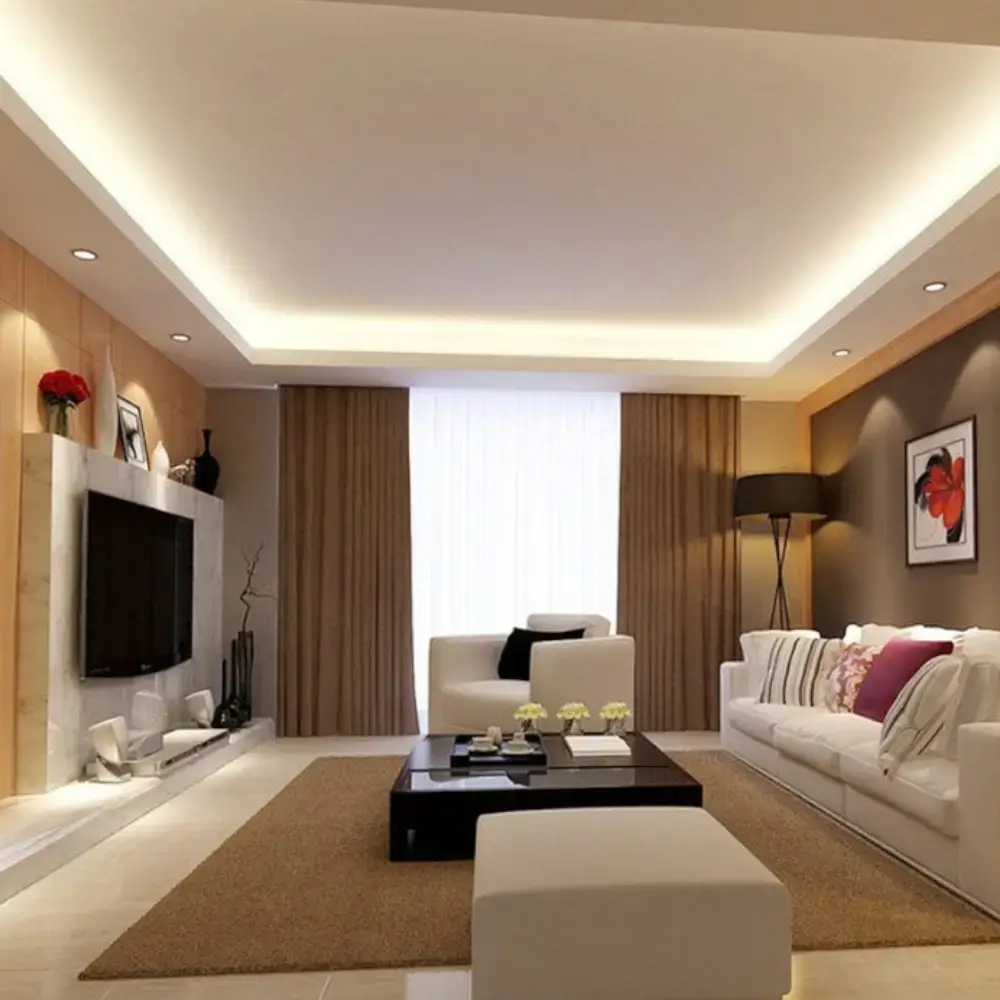
The leading trend in home design in Kenya for 2026 is what designers are calling warm minimalism which is a style that takes the clean lines and uncluttered layouts of minimalist design and softens them with earthy tones, natural textures, warm timber accents, and soft lighting. Interior designers across Nairobi report that clients are moving away from cold, purely white interiors toward spaces that feel clean and contemporary but also warm, human, and comfortable to live in.
In practice, warm minimalism means neutral colour palettes with warm whites, soft beige, terracotta, sage green, and muted olive combined with SPC flooring in wood look finishes, gypsum ceilings with warm LED lighting, simple MDF joinery with timber or brushed brass hardware, and minimal decorative clutter. The result is a home that looks sophisticated in photographs and feels genuinely pleasant to inhabit every day.
2. Open-Plan Living Spaces
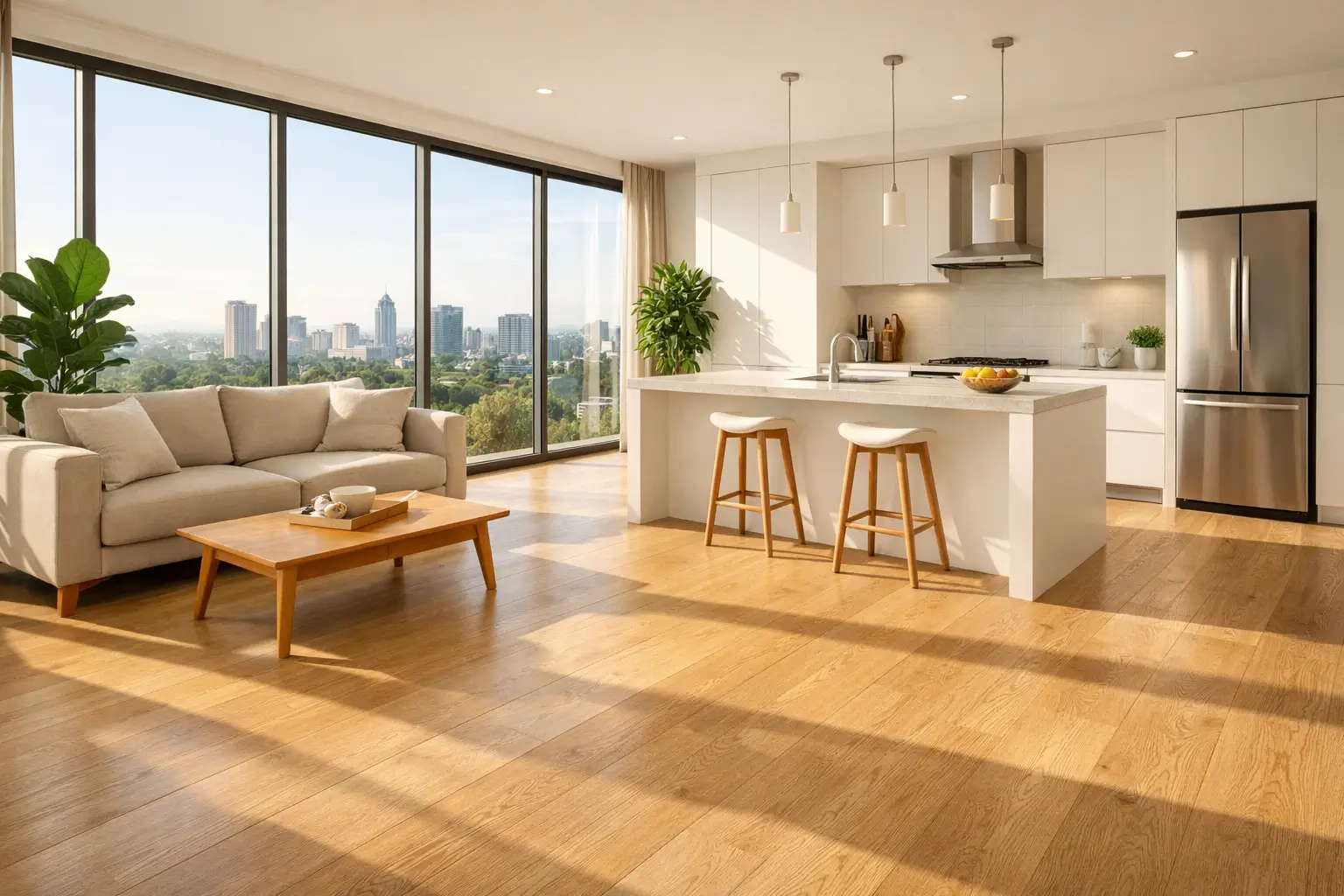
Open plan layouts which is where the kitchen, dining area, and living room flow into one connected space continue to dominate home design in Kenya in 2026, particularly in apartments where maximising the feeling of space is a priority. Removing the wall between the kitchen and the living area makes a modest floor area feel significantly larger, allows more natural light to penetrate, and creates a more sociable, family-friendly environment.
Open plan interiors require careful thought about ceiling design, flooring consistency, and lighting zoning because these elements must work coherently across a single large visual space. A well designed open plan interior uses the ceiling to define zones , a feature ceiling over the dining area, a different treatment over the lounge while maintaining a consistent flooring material throughout.
3. Feature Walls and Textured Surfaces
Feature walls have become one of the most popular single upgrades in home design in Kenya. Rather than painting all four walls the same colour, homeowners choose one wall , typically behind the TV, the bed headboard, or the dining table to receive a different treatment: a bold paint colour, textured plaster, a 3D wall panel, wallpaper, or stone cladding. Feature walls deliver a dramatic visual effect at relatively low cost and give a space a defined design identity that sets it apart from generic, uniformly painted interiors.
4. Biophilic Design , Bringing Nature Indoors
Biophilic design which is the intentional incorporation of natural elements into the interior is a growing direction in home design in Kenya that reflects a broader global shift toward wellness oriented living spaces. Indoor plants, natural wood finishes, stone textures, woven natural fibre rugs and baskets, and maximised natural light are the core tools of biophilic design and are increasingly requested by Kenyan homeowners who want their interiors to feel both modern and grounded.
Kenya has a natural advantage here. Local craftspeople produce beautiful banana fibre lampshades, sisal baskets from Kitui, soapstone accessories from Kisii, and hand-woven textiles that bring authentic natural warmth to any interior while supporting Kenyan artisans. Combining these with modern gypsum ceilings, SPC wood-look flooring, and clean-lined furniture creates an interior that is distinctly and proudly Kenyan while meeting the highest standards of contemporary home design.
5. Smart Lighting Design
Lighting has emerged as one of the most transformative elements of home design in Kenya. The shift away from single ceiling bulbs toward layered lighting with recessed downlights, LED cove channels in gypsum ceilings, pendant lights over dining tables, and under cabinet strips in kitchens is now a standard expectation in mid-range and above Kenyan homes.
Warm white LED (2700K to 3000K) is the most flattering choice for residential living rooms and bedrooms. Cooler white (4000K to 5000K) suits kitchens, bathrooms, and study areas where task visibility matters. Getting the lighting right costs relatively little but has an outsized impact on the finished result is one of the highest ROI decisions in any interior project.
The Core Interior Finishing Elements of Home Design in Kenya
Every home design in Kenya is ultimately realised through its interior finishing like the materials, trades, and details that transform a structural shell into a finished, liveable space. The following are the core finishing elements that define the quality and character of any home design in Kenya.
| Finishing Element | Options in Kenya (2026) | Budget Range Per m² | Impact on Home Design |
|---|---|---|---|
| Gypsum ceiling | Flat, bulkhead, coffered, LED cove, suspended | KSh 1,500 – 5,500+ | Very High — defines the tone of every room |
| Flooring | SPC, ceramic tiles, porcelain, engineered wood | KSh 2,000 – 12,000+ | Very High — affects visual size and warmth |
| Kitchen cabinets | Chipboard, MDF, lacquer, custom | KSh 150,000 – 2,500,000 total | Very High — most expensive single room |
| Wardrobes and joinery | Chipboard, MDF, lacquer, open shelving | KSh 18,000 – 100,000 per linear metre | High — bedroom and living room quality |
| Wall finishes | Emulsion paint, textured plaster, wallpaper, panels | KSh 150 – 8,000 per m² | High — sets the colour and feel of every room |
| Lighting | LED downlights, cove lighting, pendants, strip lights | KSh 500 – 3,000 per fitting | Very High — transforms atmosphere at low cost |
| Bathroom fitting | Tiles, sanitary ware, vanity, shower enclosure | KSh 150,000 – 2,000,000 total | High — second most expensive room after kitchen |
For a full breakdown of what each element costs in Kenya, visit our detailed guide on the Cost of Interior Design in Kenya. For ceiling design specifically, explore our Types of Gypsum Ceiling Designs page. For flooring options, visit our guide on Types of SPC Flooring Designs.
Room by Room Guide to Home Design in Kenya
Living Room
The living room is the most important room in home design in Kenya from a first impression and entertainment perspective. Key priorities are a feature gypsum ceiling with warm LED lighting, a consistent and attractive flooring material, a feature wall behind the TV or seating area, and adequate natural light balanced with comfortable artificial lighting. Wood-look SPC flooring is the most popular living room floor choice in Kenya in 2026 for its warmth, durability, and visual appeal.
Master Bedroom
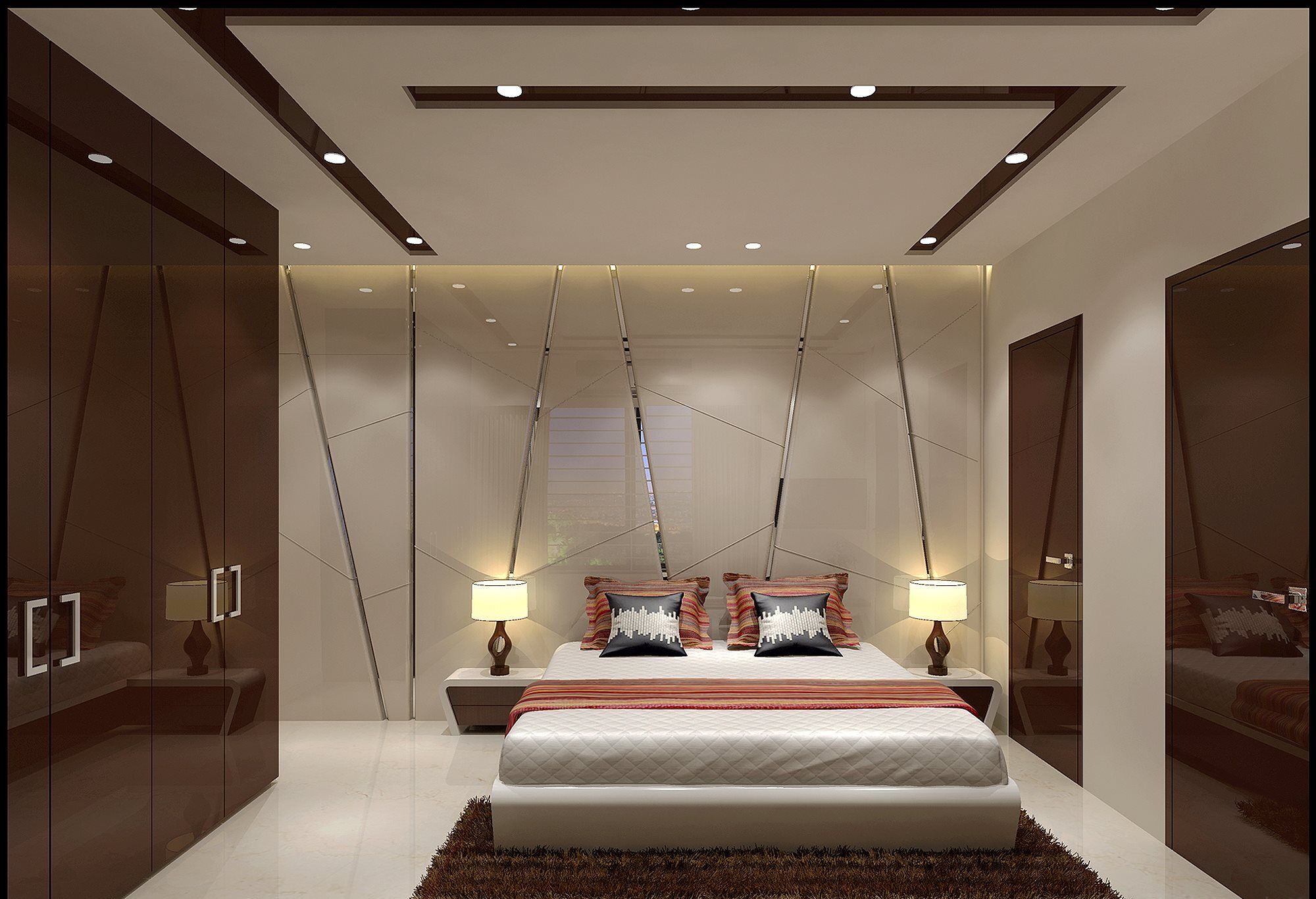
The master bedroom in home design in Kenya deserves the same level of attention as the living room. Key elements include a warm, well-lit ceiling design, quality flooring like SPC or carpet depending on preference , a well organised fitted wardrobe, a feature headboard wall, and bedside lighting at the right height. A well tiled, properly fitted en-suite bathroom completes the master suite.
Kitchen
The kitchen is consistently the highest value room in any home design in Kenya, both in terms of installation cost and return on investment. A well designed kitchen balances storage capacity, workflow efficiency, and visual quality. The cabinet design, countertop material, backsplash tile, and ceiling and lighting treatment together define the kitchen’s character. For budget considerations on kitchen design, visit our guide on Kitchen Makeover on a Budget in Nairobi.
Home Office
With remote and hybrid working now standard for many Nairobi professionals, dedicated home office space has become an important consideration in home design in Kenya. A functional home office needs adequate task lighting (cooler white LED downlights are ideal) a clean, uncluttered aesthetic that supports focus, quality built-in shelving and desk storage, and reliable power and data connectivity. Even a compact corner office with a wall mounted desk and floating shelves significantly improves work from home productivity and comfort.
How to Approach Your Home Design Project in Kenya
Great home design in Kenya does not happen by accident. It is the result of deliberate planning, clear decision making, and working with experienced professionals who understand how the different elements of an interior work together.
- Define your design direction before selecting materials. Decide on the visual style you want like warm minimalist, contemporary, Japandi, bold and colourful before visiting tile shops or selecting paint. A clear direction prevents inconsistent choices that undermine the coherence of the finished interior.
- Prioritise the rooms that matter most. The living room, kitchen, and master bedroom deliver the highest return on interior investment. These should receive the best materials and most careful attention within your budget.
- Treat lighting as a design tool, not an afterthought. Decide on the lighting layout for each room before the ceiling is installed. Retrofitting lighting into a completed gypsum ceiling is wasteful and costly.
- Invest in permanent finishes. Flooring, ceilings, kitchen cabinets, and wall tiles are expensive and disruptive to change once installed. Quality materials and skilled workmanship pay off most clearly in these elements.
- Phase intelligently if needed. If the full project cannot be completed at once, phase by room priority with public spaces first, then private rooms rather than by trade, which can create half finished spaces and coordination problems.
How Strofix Interiors Brings Your Home Design in Kenya to Life
At Strofix Interiors, we specialise in the interior finishing elements that transform any home design in Kenya from a structural shell into a complete, beautiful, and functional living environment. We handle gypsum ceiling installation, SPC and tile flooring, kitchen cabinet fabrication and fitting, wardrobe and joinery installation, wall finishes, and LED lighting for residential and commercial projects across Nairobi and Kenya.
Our approach to home design in Kenya is practical and client-focused. We begin with a site assessment and consultation, help clients clarify their design direction and material preferences, provide detailed itemised quotations, and execute the work with skilled teams that take pride in clean, high quality results. Whether your project is a single room, a full home, or a multi unit development, we bring the same level of care and professionalism to every element of the home design in Kenya that we deliver.
To explore specific services, visit our pages on Gypsum Ceiling Installation in Kenya, SPC Flooring Installation Services in Kenya, and our Cost of Interior Design in Kenya guide.
Ready to Start Your Home Design Project in Kenya?
From a single room to a complete home , Strofix Interiors provides professional site assessments, detailed quotations, and expert interior finishing for residential and commercial projects across Nairobi and Kenya.
FAQs About Home Design in Kenya
What are the most popular home design trends in Kenya for 2026?
The dominant home design trends in Kenya for 2026 are warm minimalism with neutral and earthy palettes, open plan kitchen-dining-living layouts, feature walls with textured finishes or bold paint, biophilic design incorporating natural materials and indoor plants, and smart layered LED lighting. These trends reflect a broader shift toward interiors that are both visually refined and genuinely comfortable to live in.
How much does home design and interior finishing cost in Kenya?
The cost of interior finishing for home design in Kenya ranges from approximately KSh 8,000 to KSh 15,000 per square meter at budget level, KSh 18,000 to KSh 35,000 per square meter at mid-range, and KSh 40,000 to KSh 100,000 or more per square meter at high-end specification. For a full 3-bedroom home at mid-range finishing, total interior design costs typically fall between KSh 2.1 million and KSh 4.2 million.
What flooring is best for home design in Kenya?
SPC flooring is the most popular choice for home design in Kenya in 2026 because it combines waterproof performance, realistic wood or stone aesthetics, and a competitive price point. Porcelain tiles are the preferred choice for bathrooms and kitchens. Ceramic tiles suit rental units and budget projects well. Engineered wood flooring is available for premium home design applications where a genuine wood feel is desired.
What ceiling design is most popular for homes in Kenya?
Designer gypsum ceilings with LED cove lighting are the most requested ceiling type for living rooms and master bedrooms in home design in Kenya. Plain flat gypsum ceilings are the preferred choice for bedrooms and kitchens at budget and mid-range levels. Commercial suspended ceilings are widely used in office and retail fit-outs. The choice of ceiling design significantly affects the overall mood and quality of any home interior in Kenya.
Should I hire an interior designer for my home design in Kenya?
For most full-home projects, working with an interior designer or an experienced interior finishing contractor adds value by ensuring design coherence, avoiding costly material mismatches, and managing the project timeline efficiently. For simpler projects — a single room or a cosmetic refresh — an experienced finishing contractor who can advise on design is often sufficient without the additional cost of a separate design consultancy.
Which room should I prioritise in my home design project in Kenya?
The living room, kitchen, and master bedroom deliver the highest combined return on interior investment in home design in Kenya , both for personal quality of life and for property value. These three spaces should receive the best materials and most careful design attention within the available budget, with secondary bedrooms, utility rooms, and corridors completed at a lower specification or in a later phase.