Finding the best interior designers in Nairobi is one of the most consequential decisions a homeowner, landlord, or business owner can make when planning a renovation or fit-out. The right designer translates a brief into a finished space that functions well, reflects the client’s taste, and holds its quality over years of use. The wrong choice leads to cost overruns, rework, and a space that never quite delivers what was originally discussed.
Nairobi’s interior design market has expanded significantly over the past five years. There are more firms, more freelance designers, and more options across every budget tier than at any previous point. That growth makes the market more competitive but also more difficult to navigate. This guide covers exactly what to look for, what questions to ask, and what separates designers who consistently deliver excellent results from those who do not.
Why Choosing the Right Interior Designer in Nairobi Matters
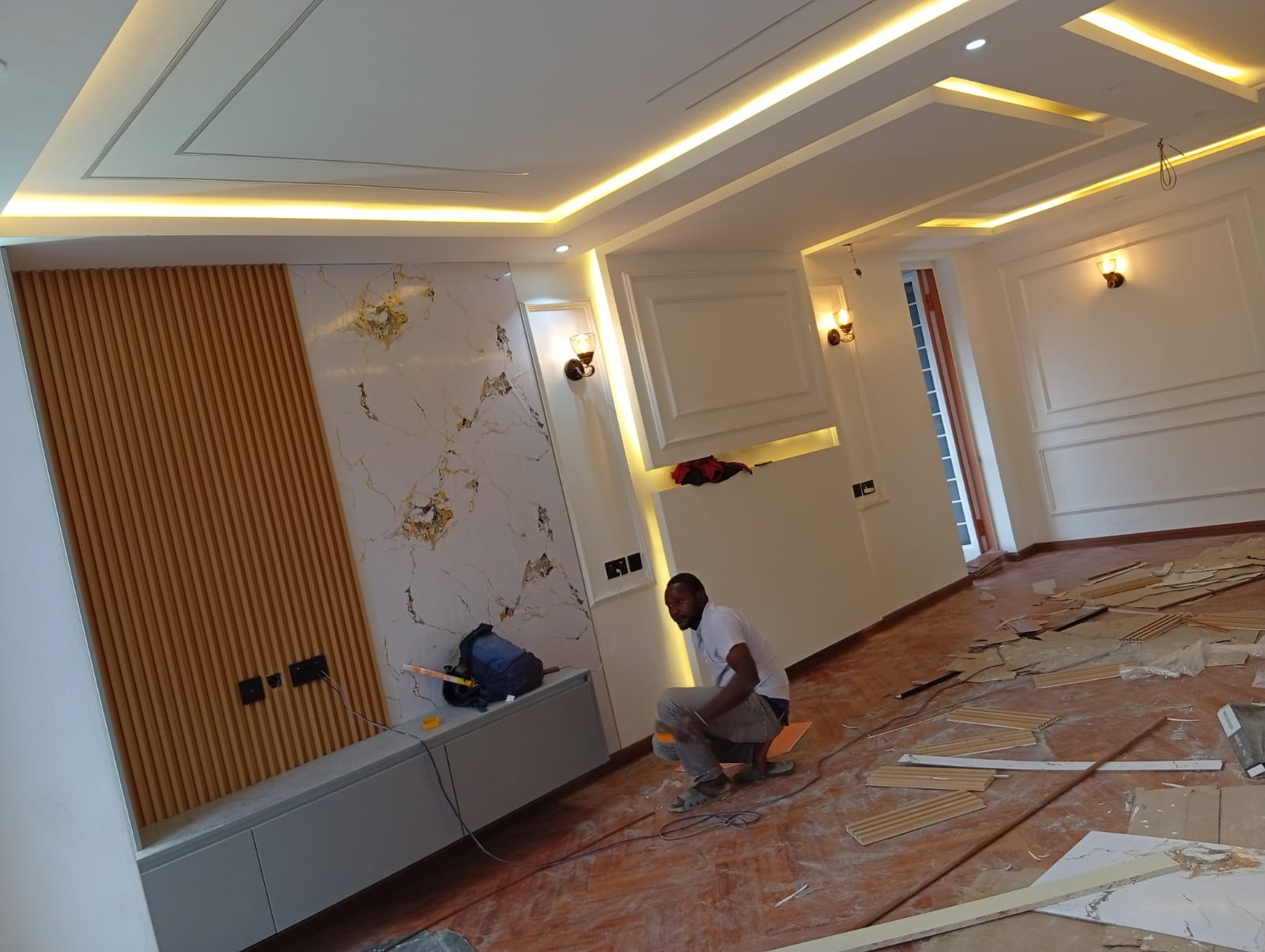
Interior design in Nairobi operates across a wide quality spectrum. At one end are firms with experienced designers, established supplier relationships, and a structured project management process that keeps budgets and timelines on track. At the other end are operators who present well in an initial meeting but lack the depth to manage complex multi-trade projects without problems. The best interior designers in Nairobi are distinguished not just by their visual output but by the reliability of their process, the transparency of their pricing, and their ability to coordinate gypsum ceiling contractors, flooring installers, electricians, painters, and furniture suppliers without the client having to manage the sequencing themselves.
A poorly managed interior design project in Nairobi typically fails in one of three ways: the scope is underpriced at quotation and expanded through change orders during the build; trades are brought in out of sequence, causing rework (the most common example being electrical work that needs to be redone after gypsum ceiling boarding has already been completed); or the designer’s aesthetic sensibility does not align with the client’s, producing a finished space that looks nothing like the mood board that was approved. Knowing what to look for before signing a contract eliminates all three of these risks.
Strofix Tip: The single most reliable indicator of quality among interior designers in Nairobi is not the visual appeal of their portfolio but the consistency of their project documentation. A designer who provides a detailed scope of works, a fixed itemised quotation, a project programme with trade sequencing, and a written handover checklist is operating at a professional standard. One who provides only a mood board and a single-line price is not.
What to Look for in the Best Interior Designers in Nairobi
1. A Portfolio That Covers the Same Scope as Your Project
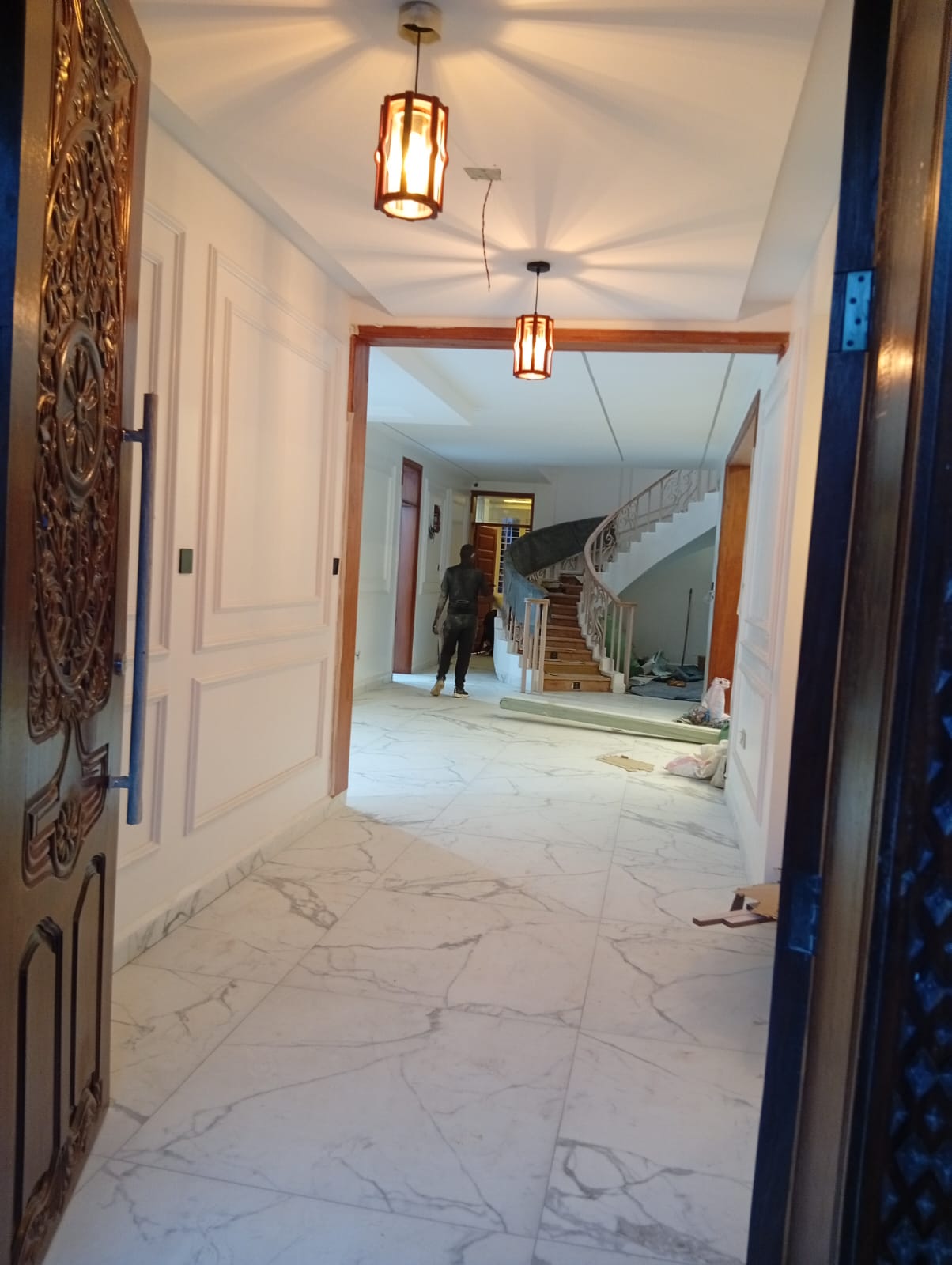
The most important filter when assessing interior designers in Nairobi is whether their completed portfolio covers work at the same scale and type as your project. A designer who has produced beautiful residential bedroom designs but has never managed a full home renovation including gypsum ceiling installation, flooring replacement, kitchen fit-out, and bathroom tiling is not the right choice for a whole-house project. Equally, a firm that specialises in large commercial office fit-outs may not bring the sensitivity required for a family home renovation in Runda or Lavington.
Ask to see projects with a scope similar to yours, including the ceiling treatment, wall finishes, flooring specification, and furniture selection. Ask to see before-and-after photographs rather than only the finished result. The transformation from the original condition to the completed space tells you far more about a designer’s practical capability than a single polished photograph taken under ideal conditions.
2. Transparent, Itemised Pricing
Pricing transparency is one of the clearest differentiators between the best interior designers in Nairobi and those who will cause budget problems during a project. An itemised quotation that lists each element of the scope separately, with a unit rate and a total for each trade or finish, allows a client to understand exactly what they are paying for, make informed decisions about scope adjustments, and hold the designer accountable to the agreed price. A single-figure quotation with no breakdown is a warning sign regardless of how competitive the number looks.
When comparing quotations from multiple Nairobi interior designers, compare like for like. A lower total price frequently reflects a narrower scope, a lower specification of materials, or the exclusion of elements that will be added as variations once the project is underway. The best interior designers in Nairobi price comprehensively from the start because they understand that a client who is surprised by cost increases mid-project loses confidence in the designer, regardless of the quality of the work being produced. For a detailed understanding of what interior design work typically costs across different rooms and finishes, visit our cost of interior design in Kenya guide.
3. In-House Trade Management Across All Key Disciplines
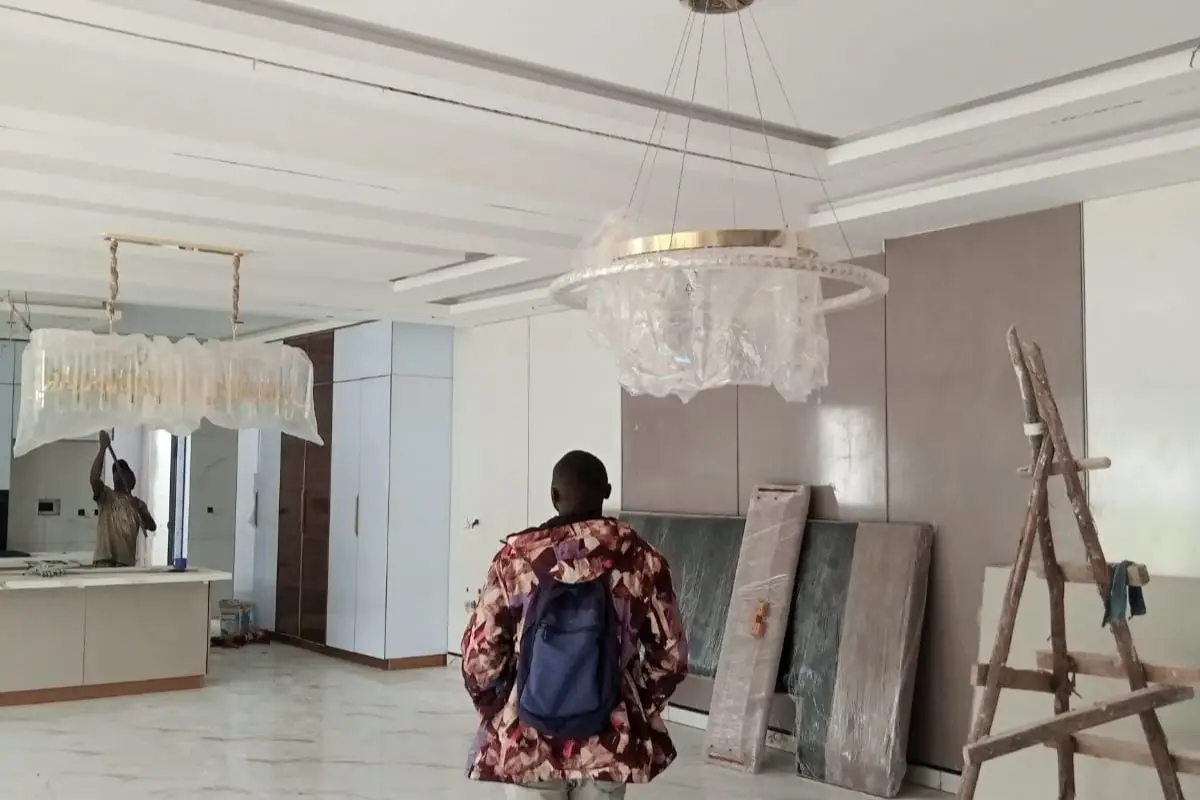
The practical execution of an interior design project involves multiple trades working in a precise sequence. Gypsum ceiling boarding must follow electrical first-fix. Flooring installation follows plastering and painting. Furniture and joinery arrive after the floor finish is complete and protected. When these sequences are managed incorrectly, rework is almost inevitable and costs escalate. A well run interior design firm will either employ these trades directly or maintain established working relationships with reliable subcontractors whose quality and sequencing they can control.
Ask any designer you are considering how they manage the relationship between trades on a live project. Who is responsible for the ceiling contractor and the flooring installer being on site in the correct order? Who resolves problems when a plastering finish is not of sufficient quality for the floor installer to proceed? A designer who answers these questions with confidence and specificity is managing trades properly. One who deflects these questions or suggests that you, the client, will need to coordinate between contractors is not offering a full design-and-build service. Visit our gypsum ceiling installation in Kenya and SPC flooring installation in Kenya pages to understand the scope and sequencing of these two trades in detail.
4. Strong Communication and a Clear Brief Process
Communication quality during the briefing and design development stage is a reliable predictor of how a designer will perform during the build phase. The best interior designers in Nairobi begin every project with a thorough site survey, a measured floor plan, and a detailed written brief that captures the client’s requirements for each space, their preferred aesthetic direction, their timeline, and their budget ceiling. They present design proposals with material samples, finish specifications, and sourcing details rather than only digital mood boards, and they seek explicit sign-off on each element before procurement and construction begin.
Be cautious of designers who move quickly from initial meeting to quotation without asking detailed questions about how you use the space, who lives or works in it, and what specific problems the renovation needs to solve. Speed at the brief stage almost always produces misalignment between the client’s expectations and the designer’s interpretation, and this misalignment only becomes visible once construction is underway and changes are expensive.
5. Relevant Experience in Your Neighbourhood and Building Type
Nairobi’s built environment varies significantly across its residential and commercial zones. A designer with extensive experience in Westlands apartment fit-outs will understand the typical ceiling heights, slab conditions, and building management restrictions that apply in that area. One who has worked across Karen, Runda, and Muthaiga will be familiar with the planning considerations and contractor access logistics that apply to standalone houses on larger plots. The best interior designers in Nairobi for your specific project are those who have completed similar work in a similar context, not simply those with the largest Instagram following or the most visually arresting portfolio photographs.
For commercial projects, ask specifically whether the designer has experience with office fit-outs, retail interiors, or hospitality spaces in Nairobi’s commercial districts. The requirements of a commercial interior in terms of fire compliance, electrical loading, and durability specification are significantly different from a residential project, and experience in one does not automatically transfer to the other. Our office interior design in Kenya page covers our approach to commercial projects across Nairobi in detail.
6. A Clear Handover Process
How a designer closes a project is as revealing as how they open one. A quality interior designer in Nairobi completes each project with a formal handover that includes a snagging inspection, documented resolution of any outstanding defects, care and maintenance guidance for all installed finishes, and supplier or warranty documentation for specified products. A project that ends with the designer simply stopping visiting site once the furniture is in position is one that has not been properly closed, and any defects that emerge in the weeks after completion will be difficult to resolve without a formal handover record.
Questions to Ask Before Hiring an Interior Designer in Nairobi
| Question | What a Strong Answer Looks Like |
|---|---|
| Can I see completed projects at a similar scope to mine? | Yes, with before-and-after photographs and a willingness to share client references. |
| Is your quotation itemised by trade and material? | Yes, with a line-by-line breakdown including unit rates for flooring, ceiling, painting, and joinery. |
| Who manages the sequencing between trades on site? | The designer or a named project manager employed by the firm. |
| How do you handle variations and cost changes during the project? | All variations are costed and approved in writing before work proceeds. |
| What is included in your project handover? | A snagging inspection, defect resolution, and written maintenance guidance for all finishes. |
| Have you worked in my building type or neighbourhood before? | Yes, with specific examples and an understanding of any relevant building management rules. |
Why Strofix Interiors Is Among the Best Interior Designers in Nairobi
Strofix Interiors delivers residential and commercial interior fit-outs across Nairobi and Kenya, managing every trade from a single point of contact. Our process begins with a site survey and measured floor plan, moves through a detailed scope of works and fixed itemised quotation, and concludes with a formal project handover covering all installed finishes and any outstanding snags. We do not pass trade coordination to the client at any point in the project.
Our in-house capability covers gypsum ceiling installation, SPC flooring installation, feature wall construction in timber cladding, Venetian plaster and wallpaper systems, wall painting and plastering, pendant and cove lighting installation, and custom joinery. For commercial clients, our office interior design in Kenya service covers everything from partition installation and acoustic treatment to reception design and full open plan fit-outs. For a complete overview of every service we offer, visit our interior design services in Kenya page.
Ready to Work with Strofix Interiors?
Get a detailed, itemised quotation from one of the best interior designers in Nairobi. We cover residential and commercial fit-outs across Nairobi and Kenya with fixed pricing and full trade management.
FAQs: Best Interior Designers in Nairobi
How do I find the best interior designers in Nairobi?
Start by reviewing completed project portfolios that match your scope and building type, then ask for itemised quotations from at least three firms. The best interior designers in Nairobi will provide a detailed written brief process, transparent pricing, and clear answers about how they manage trades on site. Client references from completed projects in similar neighbourhoods are the most reliable indicator of consistent quality.
How much do interior designers in Nairobi charge?
Interior design fees in Nairobi vary by project scope and billing model. Some designers charge a flat project fee, others a percentage of the total construction cost, typically between 10% and 15%, and others include their design fee within an all-in fit-out price. The most important consideration is not the fee structure but whether the quotation is fully itemised and whether it includes all trades required to complete the project. Visit our cost of interior design in Kenya guide for detailed pricing across all room types and finish levels.
What does an interior designer in Nairobi actually do?
A full-service interior designer in Nairobi takes a project from initial brief through space planning, material selection, supplier sourcing, trade coordination, and site supervision to final handover. A full-service interior designer in Nairobi takes a project from initial brief through space planning, material selection, trade coordination, and site supervision to final handover, managing ceiling contractors, flooring installers, painters, electricians, and furniture suppliers in the correct sequence without the client having to coordinate between them.
What finishes should I expect from the best interior designers in Nairobi?
Quality interior designers in Nairobi specify finishes that are both visually strong and durable in Kenya’s climate and usage conditions. For ceilings, this typically means gypsum board with LED cove lighting. For flooring, SPC in a wood-effect or stone-effect finish performs significantly better than ceramic tile in living areas and bedrooms. Feature walls in fluted timber cladding or Venetian plaster, correctly specified and installed, should remain in excellent condition for ten or more years without requiring replacement.
How long does an interior design project take in Nairobi?
A single-room renovation such as a master bedroom or living room typically takes two to three weeks in Nairobi. A full home renovation covering multiple rooms, including ceiling, flooring, wall finishes, and kitchen or bathroom works, typically runs six to twelve weeks depending on scope and the availability of specified materials. The best interior designers in Nairobi provide a detailed project programme at the start of every engagement and update the client when the timeline changes for any reason.
Does Strofix Interiors work outside Nairobi?
Yes. While the majority of our projects are in Nairobi, Strofix Interiors completes residential and commercial interior fit-outs across Kenya including Mombasa, Kisumu, Nakuru, and other major towns. Contact us with your location and project scope and we will advise on availability and any travel or logistics costs that apply outside the Nairobi metropolitan area.